
When most people begin planning a vacation, they start with a list of attractions. They research famous landmarks, popular viewpoints, and highly rated tourist sites. While those places can certainly be worth visiting, some of the most meaningful travel experiences happen when you step beyond the typical tourist path and immerse yourself in the local culture.
Travel is about more than seeing a destination—it’s about experiencing it.
The food, traditions, stories, people, and everyday moments are often what make a place truly unforgettable. Long after you’ve forgotten the name of a monument or how many photos you took, you’ll remember the grandmother who taught you to make a traditional dish, the lively market filled with unfamiliar aromas, or the local guide whose stories brought history to life.
If you want your travels to be more meaningful, one of the best things you can do is embrace the local culture.
Why Cultural Experiences Matter
Every destination has a unique story to tell.
Its culture is shaped by generations of history, traditions, geography, and people. While landmarks can provide a glimpse into a destination, cultural experiences allow you to truly understand it.
When we engage with local culture, we move from being spectators to participants.
Instead of simply observing a place, we begin to experience it through the eyes of the people who call it home.
These experiences create a deeper connection to the destination and often become the moments we remember most.
Years from now, you may not remember every museum you visited, but you’ll remember learning how to make authentic pho in Vietnam, sharing stories with a local fisherman, or participating in a traditional festival.
Those experiences create memories that stay with you long after the trip ends.
Food: The Universal Language of Travel
One of the easiest and most rewarding ways to connect with a destination is through its food.
Food tells the story of a culture.
It reflects history, geography, traditions, and family heritage. Every dish has a story behind it, and every meal provides an opportunity to learn something new.
Rather than dining exclusively at familiar restaurant chains, seek out local eateries, family-owned restaurants, and neighborhood cafés.
Better yet, take a cooking class.
Cooking classes offer more than just a meal. They provide insight into local ingredients, culinary traditions, and everyday life. You’ll often visit local markets, learn traditional techniques, and hear stories that you would never find in a guidebook.
The best part?
You bring those experiences home with you.
Every time you recreate the recipe, you’ll be reminded of your journey and the memories you made there.
Visit Local Markets
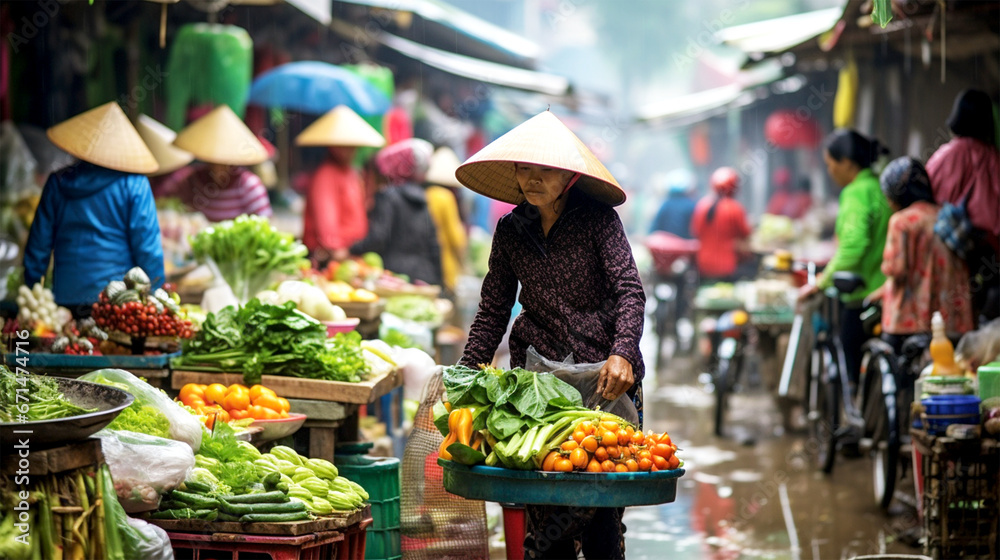
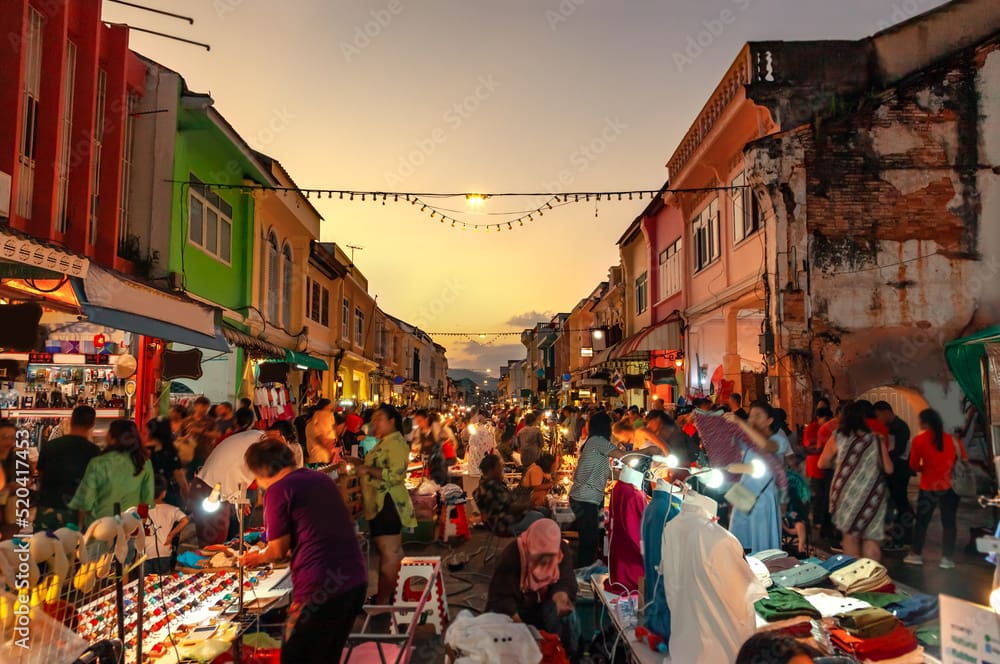
If you want to experience the heartbeat of a destination, spend time in its local markets.
Markets provide a fascinating glimpse into daily life.
You’ll see what people eat, how they shop, what products they value, and how communities interact.
Unlike tourist attractions, markets are authentic snapshots of everyday culture.
Walk slowly.
Observe the colors.
Listen to the conversations.
Notice the ingredients you’ve never seen before.
Try local snacks.
Talk with vendors when possible.
Markets engage all of your senses and often provide some of the most memorable experiences of a trip.
For families, they’re also wonderful educational opportunities. Children can learn about local agriculture, traditions, currency, and customs simply by exploring.
Many of the best travel stories begin with wandering through a local market and discovering something unexpected.
Learn the History Behind the Destination
Every destination has a story.
The buildings, landscapes, traditions, and customs you see today are often shaped by centuries of history.
Taking the time to learn about that history adds depth and meaning to your travels.
Rather than simply visiting a historical site, consider hiring a local guide or joining a walking tour.
A knowledgeable guide can transform a collection of buildings or monuments into a fascinating narrative filled with real people, challenges, triumphs, and traditions.
History becomes much more meaningful when you understand how it continues to influence daily life in the destination today.
You’ll begin to see connections between the past and present, helping you appreciate the culture on a much deeper level.
Support Local Businesses
One of the most meaningful ways to engage with a destination is by supporting the people who live there.
Choose locally owned restaurants.
Shop at artisan markets.
Book local guides.
Participate in community-based experiences.
When you support local businesses, your travel dollars stay within the community and help preserve local traditions and livelihoods.
It also creates opportunities for genuine interaction.
Instead of experiencing a destination through large tourism companies alone, you’ll connect with the people who know it best.
These personal interactions often become the highlight of a trip.
A conversation with a local artist or shop owner can teach you more about a destination than hours of research.
Slow Down and Observe
Many travelers move so quickly that they miss the culture surrounding them.
They rush from attraction to attraction without taking time to observe everyday life.
One of the simplest ways to embrace local culture is to slow down.
Sit in a café.
Watch people go about their day.
Take a walk through a neighborhood.
Visit a public park.
Ride local transportation.
These seemingly ordinary moments provide extraordinary insight into how people live.
Some of the most meaningful travel experiences happen when nothing is planned.
You simply allow yourself to be present.
The pace of life, social interactions, traditions, and daily routines all become part of your understanding of the destination.
Learn a Few Local Phrases
You don’t need to become fluent in another language to connect with local culture.
Learning a few simple phrases can go a long way.
Greetings, thank you, please, and basic questions demonstrate respect and appreciation for the local community.
People often respond warmly when visitors make an effort to speak their language.
Even imperfect attempts can lead to smiles, conversations, and memorable interactions.
Language is more than communication—it’s a bridge to understanding another culture.
A few words can transform a simple transaction into a meaningful exchange.
Cultural Experiences Are Powerful for Children
For families, cultural experiences offer incredible opportunities for learning and growth.
Children learn best through experience.
They remember what they see, taste, hear, and do.
Reading about another culture in a textbook is valuable.
Experiencing it firsthand is transformative.
Trying local foods.
Learning traditional games.
Visiting historical sites.
Meeting people from different backgrounds.
Participating in cultural activities.
These experiences help children develop curiosity, empathy, adaptability, and a broader understanding of the world.
They begin to see that people may live differently while sharing many of the same hopes, values, and dreams.
These lessons often stay with them for a lifetime.
Travel with Curiosity Instead of Assumptions
One of the greatest gifts travel offers is perspective.
When we approach a destination with curiosity rather than assumptions, we open ourselves to new ideas and experiences.
Ask questions.
Listen to stories.
Observe traditions.
Seek understanding rather than comparison.
The goal isn’t to judge another culture through the lens of your own experiences. It’s to appreciate the uniqueness of the place you’re visiting.
This mindset leads to richer experiences, deeper connections, and greater personal growth.
The more curious you become, the more rewarding travel becomes.
The Stories You’ll Remember Most
Years from now, what stories will you tell about your travels?
Will it be the attraction that looked exactly like the photos online?
Or will it be the family-run restaurant where the owner treated you like a friend?
The market where your children discovered a new favorite food?
The cooking class where everyone laughed while trying something unfamiliar?
The guide who shared stories passed down through generations?
The cultural festival that made you feel part of something bigger?
These are the moments that become travel stories.
These are the memories that last.
These are the experiences that transform a trip from a vacation into something meaningful.
Travel Beyond the Tourist Attractions
There’s nothing wrong with visiting famous landmarks. In fact, many of them deserve their reputation.
But don’t stop there.
Make space for cultural experiences.
Take the cooking class.
Visit the market.
Talk with locals.
Learn the history.
Support local businesses.
Try something unfamiliar.
Allow yourself to experience a destination rather than simply see it.
At EverExplore Travel Co., I believe the most memorable journeys are built on meaningful connections—with the destination, its people, and the experiences that make it unique.
Because when you embrace local culture, you return home with more than photographs.
You return with stories, perspectives, memories, and a deeper appreciation for the incredible diversity of our world.
And those are the souvenirs that last forever.


